
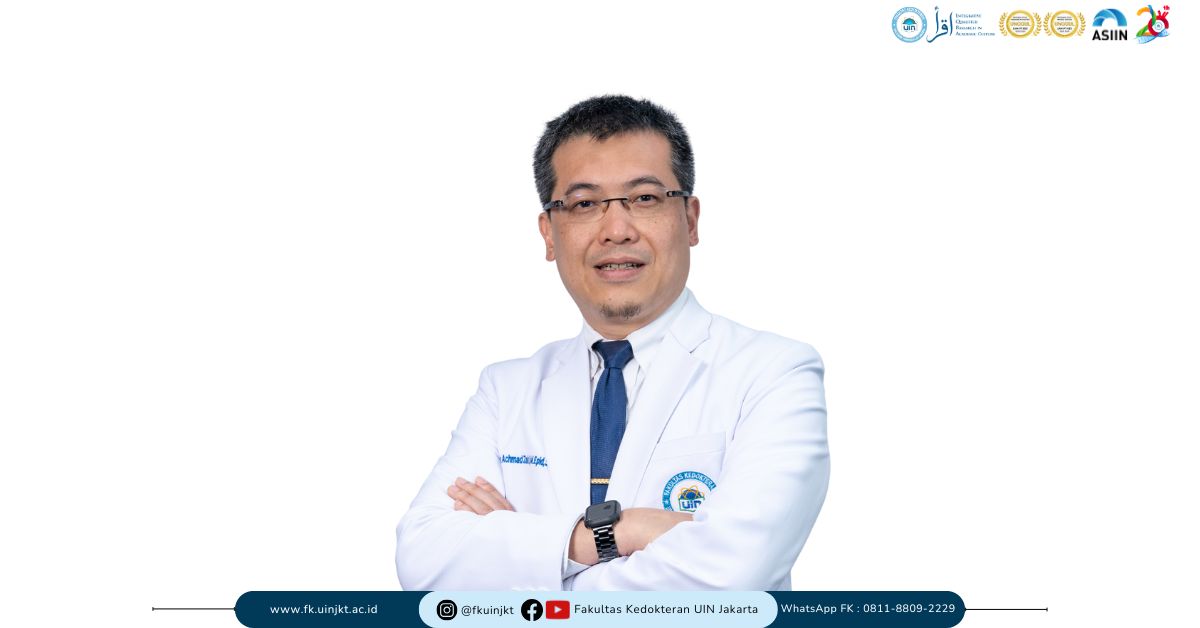

By Dr. dr. Achmad Zaki M.Epid., Sp.OT., FICS
Apoptosis is a biological phenomenon in the human body, namely a programmed process in which body cells “sacrifice” themselves through self destruction. The Merriam Webster Medical Dictionary describes this self destruction process, which is marked by DNA nuclear fragmentation, as a normal physiological process aimed at eliminating cells with damaged DNA, excessive cells, or cells that are no longer needed.
When this cellular “sacrifice” process is disrupted, such as by genetic mutations, it can result in abnormal cell growth or even the uncontrolled formation of tumors. This represents a biological catastrophe at the cellular, tissue, and organ levels.
Apoptosis also plays a role in the formation of physical characteristics and organs of the fetus in the womb. It further helps the body eliminate cells that are unnecessary or potentially harmful. Without apoptosis, humans would not have fingers and toes, nor the neural connections in the brain needed to comprehend the signs of greatness or the natural verses of Allah swt in the universe.
Apoptosis also supports the immune system by playing a key role during viral infections. Cells that have been attacked by viruses are “sacrificed” and destroyed before they rupture and release viral particles. This act of cellular self sacrifice prevents the spread of viruses and thereby helps preserve the life of the organism.
The cells in the body have been installed and equipped by the Creator, Al Khaliq, with the instructions and instruments required to perform this sacrifice. Cells store these instruments, known as proteases, until a signal or instruction, whether originating from within or outside the cell, triggers their release. This then initiates a series of effectively coordinated processes that lead the cell to sacrifice itself and die. During this process, the DNA within the cell nucleus breaks into fragments and disintegrates, followed by the destruction of the entire cell structure.
As a compensatory mechanism for these sacrificed cells, the body carries out mitosis, or cell division, to produce new cells. Mitosis and apoptosis work reciprocally, as old and damaged cells are replaced by new ones, allowing the body to maintain balance and function normally, a condition known as homeostasis. The loss of balance between apoptosis and mitosis will have consequences that endanger the body’s homeostasis.
As religious beings, we certainly believe that the sacrifice of these cells is part of the signs of the greatness of Allah swt’s creation in the universe, from which lessons and wisdom can be drawn. Like heroes on the battlefield, these sacrificed cells are heroes for the body, enabling it to survive and maintain balance or homeostasis. This is a manifestation of love and devotion to the decree of Allah swt.
A similar phenomenon can be observed during the Covid 19 pandemic, when healthcare heroes worked hand in hand with various components of society to care, show concern and empathy, and sacrifice their time, energy, resources, and even their lives in an effort to save others in need.
The momentum of Eid al Adha, marked by the act of qurban, is a highly noble form of worship with numerous virtues. The act of qurban, like the sacrifice of body cells in apoptosis, reflects human love and devotion to the command of Allah swt. It trains and sharpens empathy, concern, and social sensitivity, as well as a sense of care and acts of care. However, there are still some among us who, despite being able, are reluctant to perform qurban and view Eid al Adha merely as a ceremonial and ritual occasion. This condition, as with the failure of apoptosis in body cells, can lead to an imbalance in social homeostasis.
Let us reflect on the exemplary sacrifice of Prophet Ibrahim as, who out of love and devotion to Allah swt sincerely carried out the instruction to sacrifice his long awaited beloved son, Prophet Ismail as. From Zaid ibn Arqam, it was narrated that he or they said:
“O Messenger of Allah, what is qurban?” The Messenger of Allah replied, “It is the sunnah of your forefather, Prophet Ibrahim.” They asked, “What reward will we receive from it?” He replied, “For every single hair, there is a reward.” They asked, “And for its wool?” He replied, “For every strand of wool, there is also a reward.” (Narrated by Ahmad and Ibn Majah).
This hadith illustrates the immense goodness and reward of the act of qurban. In another hadith, Prophet Muhammad saw said:
“Whoever has the means but does not offer qurban, let him not come near our place of prayer.” (Narrated by Ahmad and Ibn Majah).
This is a stern warning from the Messenger of Allah to those who are able but unwilling to perform qurban. Reluctance to offer qurban, despite having the means, is the antithesis of love and devotion of a creature to the Creator.
Just as in the phenomenon of apoptosis or the sacrifice of body cells, if the process of cellular sacrifice does not function properly, the result is a biological catastrophe in the human body. Likewise, if the act of qurban is not carried out by those who are able, a social catastrophe will inevitably occur within the community structure.
This indicates the loss of empathy, sensitivity, and social concern among the people, which may undermine our social resilience in facing future challenges, similar to the pandemic we have experienced with all its complexities.
By drawing lessons from the phenomenon of apoptosis at the cellular level, may it further enhance our understanding that through the act of qurban during Eid al Adha, Islam teaches us to be willing to sacrifice as a manifestation of love and devotion to Allah swt, in order to maintain social homeostasis and ultimately strengthen our social resilience in facing humanitarian challenges in the present and the future. (zm/emde)
References:
https://www.merriam-webster.com/dictionary/apoptosis
https://www.livescience.com/12949-cell-suicide-apoptosis-nih.html
The author is the Dean of the Faculty of Medicine, Universitas Islam Negeri Syarif Hidayatullah Jakarta. This article was published in the opinion column of Republika Daily, Wednesday, 7 June 2023.