FK UIN Jakarta Students Participate in Hajj Manasik Practice, Integrating Medical Competence and Islamic Jurisprudence
- 28 April 2026
- 2 min read
- 191
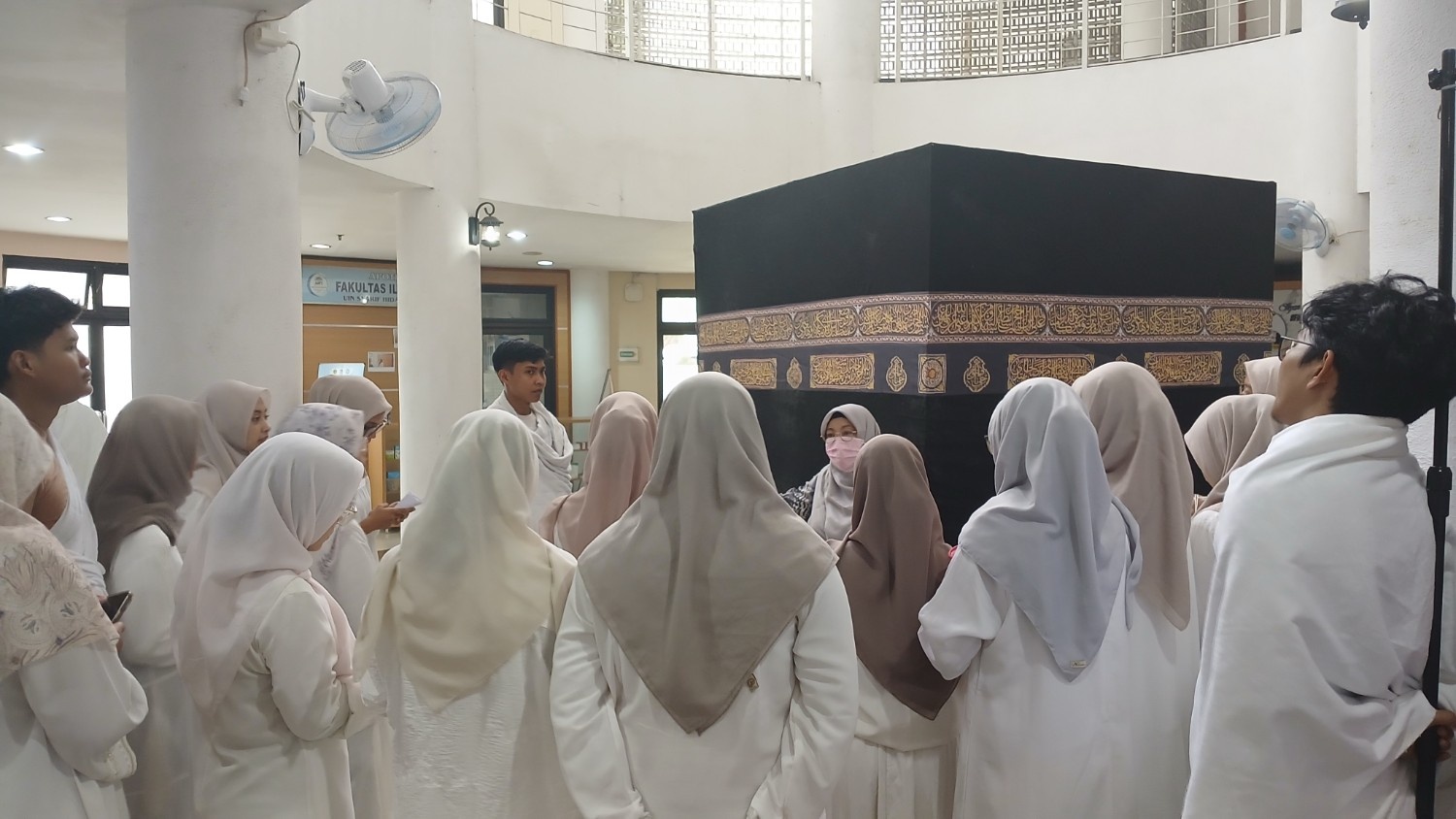
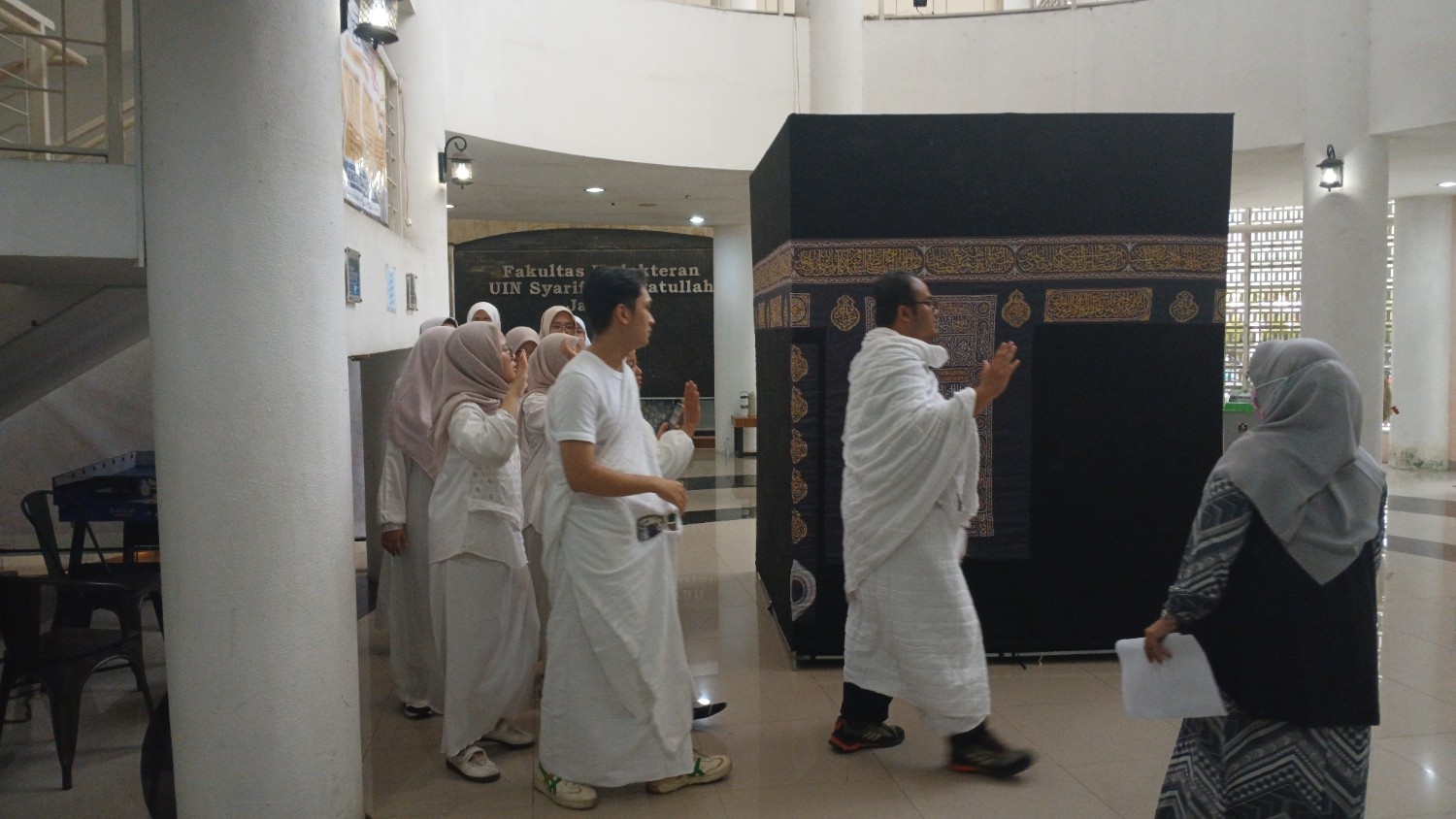
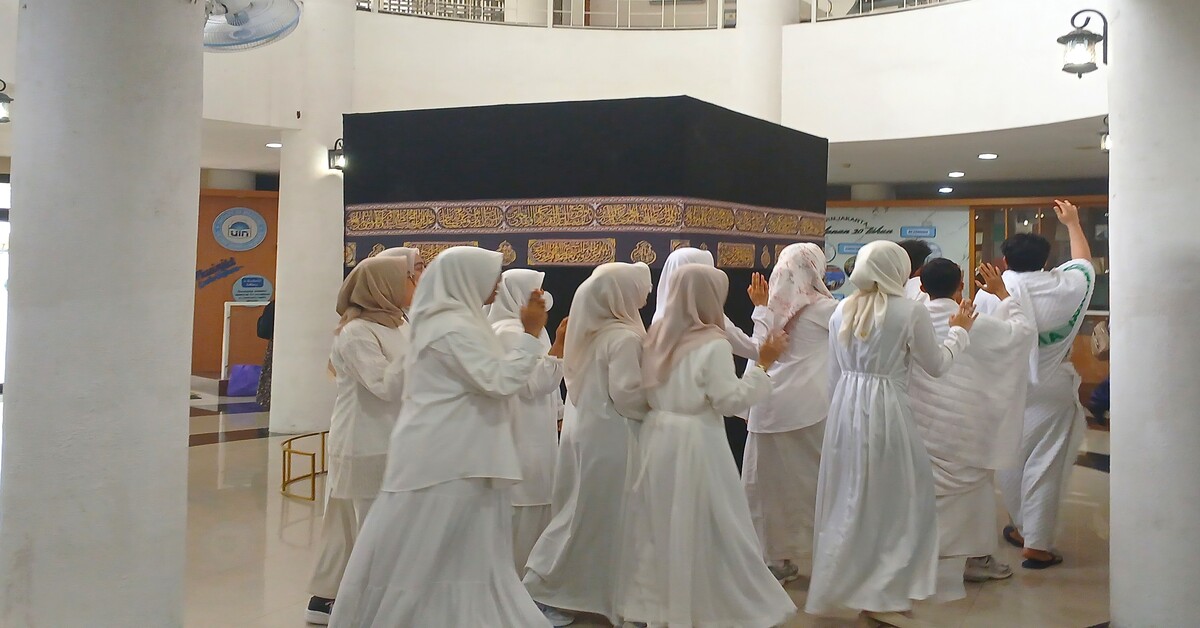
Medical Building, FK Online News – Students of the Faculty of Medicine (FK) at UIN Syarif Hidayatullah Jakarta took part in a Hajj manasik (ritual simulation) practice as part of an integrated learning program combining medical science with religious understanding. The activity was designed not only as a simulation of worship but also as a means of equipping future doctors with competencies to handle health-related situations in the Hajj environment. The event took place on the ground floor of the Medical Building, Tuesday (April 28, 2026).
During the activity, students were divided into several groups and presented with various health case scenarios that may occur among Hajj pilgrims. Each group was required to analyze the cases and determine appropriate medical interventions based on the given conditions.
A lecturer from the Medical Study Program, Alfiah, S.Ag., M.Ag., who also served as the activity mentor, explained that the objective of this practice is to develop two main competencies required of medical students: clinical skills and an understanding of Hajj jurisprudence (fiqh).
“So the goal is, since these are medical students, in addition to having intellectual abilities and understanding of Hajj fiqh, the main focus is for them to have the skills to manage health cases that may arise among pilgrims during Hajj,” she explained.
She added that this practice-based learning approach enables students to better understand real-life conditions they may encounter in the field, particularly in the context of healthcare services for pilgrims.
“At each station, every group is provided with specific cases and trained on how to manage them,” she continued.
In addition to medical aspects, students were also equipped with an in-depth understanding of Hajj fiqh, including its pillars (rukun), obligations (wajib), as well as recommended and prohibited actions during the pilgrimage.
“Because future doctors must possess both competencies, alongside medical case handling, they also need to understand the fiqh of Hajj,” she stated.
Through this activity, students are expected not only to provide accurate medical treatment but also to understand the religious context of their patients, enabling them to deliver more comprehensive and humane care.
This Hajj manasik practice represents one of the implementations of integrative learning at FK UIN Jakarta, combining medical science with Islamic values. As a result, graduates are expected to possess professional competence alongside sensitivity to patients’ spiritual needs, particularly in religious contexts such as Hajj.